

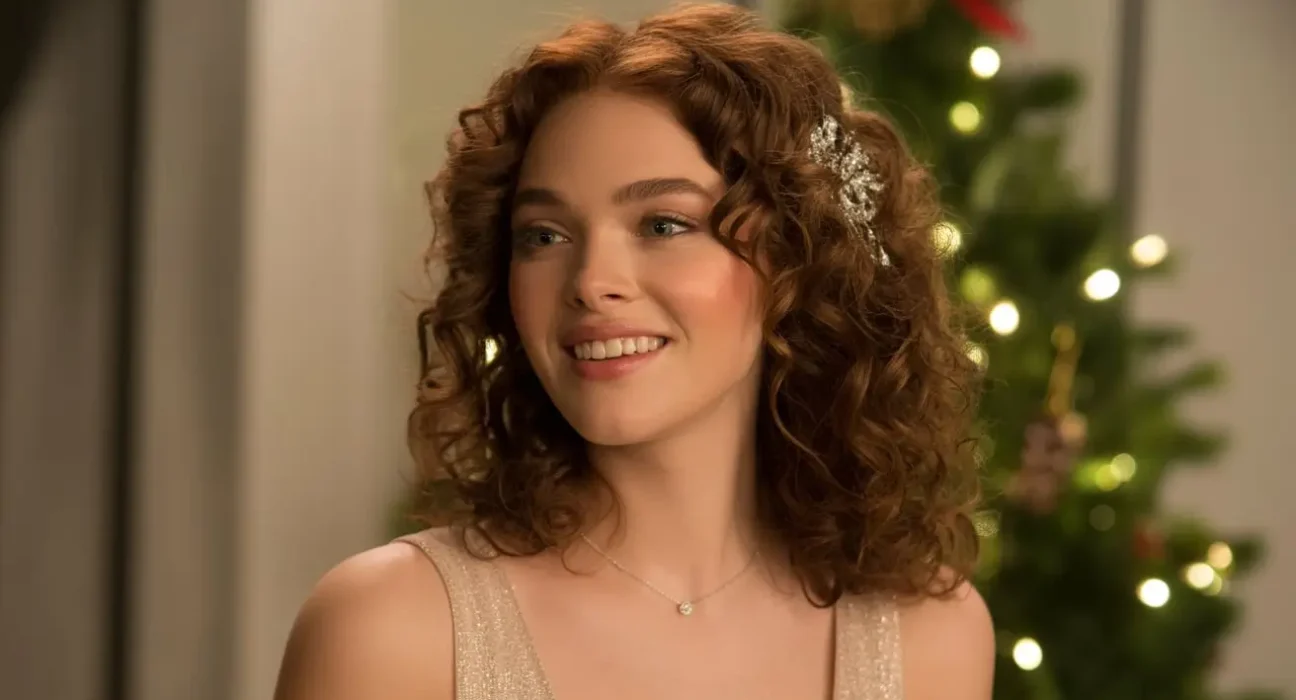
Let’s be real for a second: does your ponytail hurt right now? If you answered “yes,” or even hesitated while touching your temples, take it down immediately. We need to have a serious talk. I used to subscribe to the idea that a hairstyle wasn’t “done” unless my forehead felt tight enough to smooth out wrinkles I didn’t even have yet. I thought the “snatched” look was the only way to look polished. Spoiler alert: that is a terrible strategy.
Traction alopecia is the enemy, and it sneaks up on you. You lose your edges one tight braid at a time, and frankly, no hairstyle is worth losing your hairline over. I created this guide because I got tired of choosing between looking good and keeping my hair on my head. You want styles that pop, curls that bounce, and edges that stay intact.
We are going to explore 15 Stunning Low Tension Curly Hairstyles That Wow Instantly. These aren’t just “lazy” styles; they are intentional, chic, and safe for your scalp. We will prioritize health without sacrificing aesthetics. Whether you have loose waves or tight coils, these methods work. Ready to save your scalp and look amazing doing it? Let’s get into it. 🙂
1. Easy Low-Tension Twist-Out Hairstyles
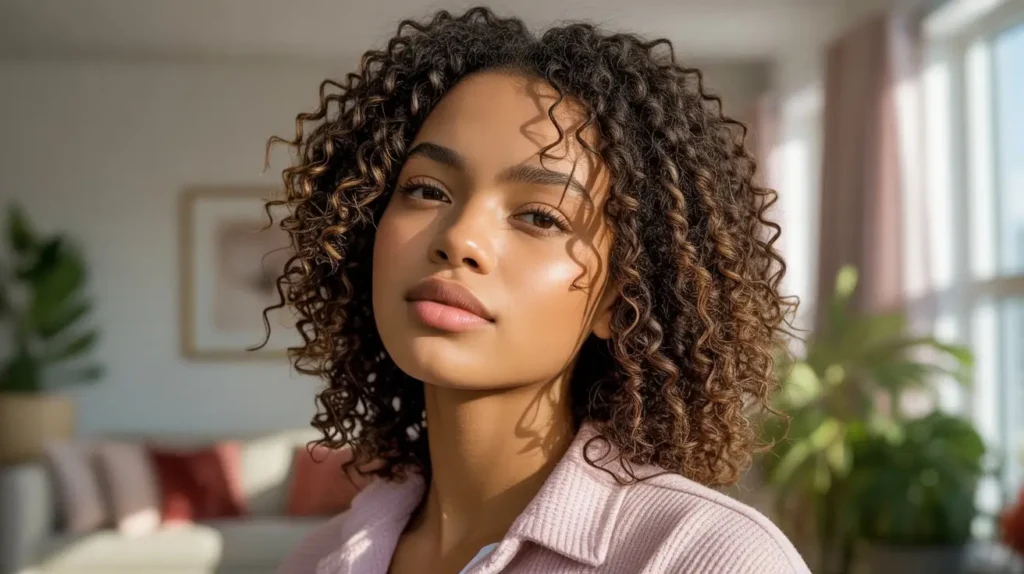
You likely already know the twist-out. It’s a staple in the natural hair community for a reason. But did you know you might be doing it wrong? Many people twist way too tightly at the root because they want “maximum definition” or longevity. Stop doing that. You can achieve incredible definition without yanking the hair from the follicle.
The Loose-Root Technique
The secret lies in how you start the twist. Instead of grabbing the hair right at the scalp and torqueing it tight, start the actual twisting motion about half an inch down the hair shaft. This leaves the root puffy and relaxed. Does this sacrifice volume? Absolutely not. In fact, it gives you more volume instantly because the roots aren’t plastered to your head.
Step-by-Step Execution
- Section your hair while it’s damp, not soaking wet. Wet hair is heaviest and most fragile.
- Apply your favorite leave-in conditioner and a light styling cream with a lot of slip.
- Do not pull the hair taut. Gently guide the two strands over each other.
- Allow the hair to dry completely (air dry or hood dryer).
- Unravel carefully with a lightweight oil (like argan or jojoba) on your fingertips to reduce frizz.
You get the definition in the mid-lengths and ends, where it counts visually, and your scalp gets to breathe. Plus, the slightly puffy roots make your hair look thicker. It’s a win-win situation.
Why You’ll Love It
This style reduces the “scalp ache” you often feel after a fresh style. It also makes separating the curls easier because the roots aren’t matted together. If you want big, touchable hair that doesn’t pull, this is your starting point.
2. Protective Low-Tension Braided Updos
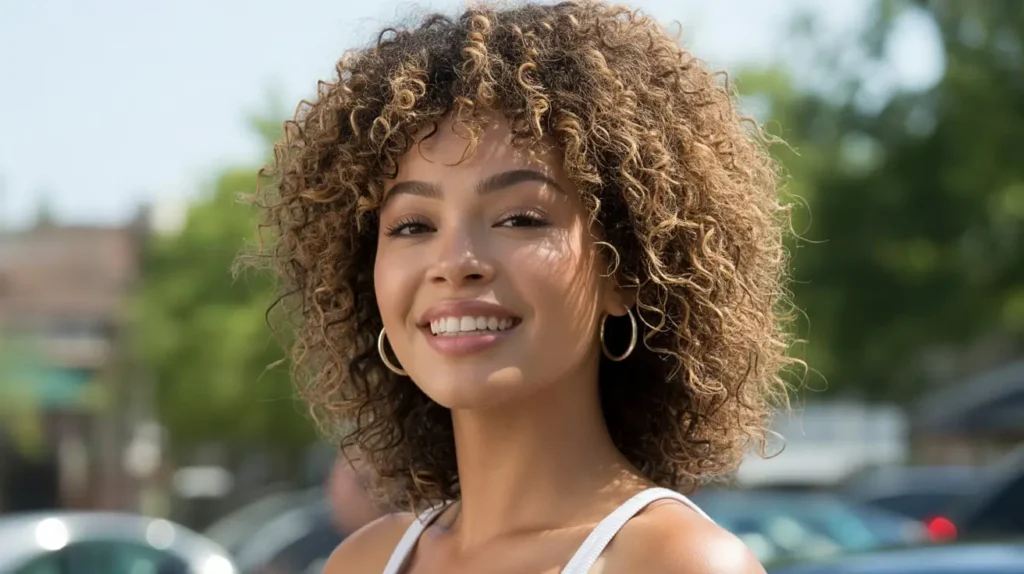
I love a good braid, but I hate the headache that usually comes with it. You know that feeling when you raise your eyebrows and your scalp screams? We are avoiding that today. A protective updo should protect your hair, not attack your scalp.
The Crown Braid (The Gentle Version)
Think of a halo braid, but strictly for comfort. The key here is to use large sections. Tiny, intricate braids require tension to stay neat. Large, chunky braids do not. They rely on the bulk of the hair to hold the shape.
Mastering the Gentle Grip
- Part your hair loosely. Don’t worry about a laser-straight part; messy is modern and puts less stress on specific follicles.
- Start a loose Dutch braid (braiding under rather than over) around the perimeter of your head.
- Important: Keep your hands close to the head but keep your grip loose. If you see your skin pulling or turning red, start over.
- Tuck the ends of the braids into the gap created by the braid itself and secure with bobby pins.
- Avoid tight elastic bands at the ends if possible; just tuck them securely.
The Aesthetic Benefit
This style looks elegant enough for a wedding but feels like you’re wearing nothing on your head. It keeps your ends tucked away, which retains moisture, and leaves your edges completely stress-free. You can pull out a few wispy curls around the ears to soften the look further.
3. Quick Low-Tension Puff Hairstyles
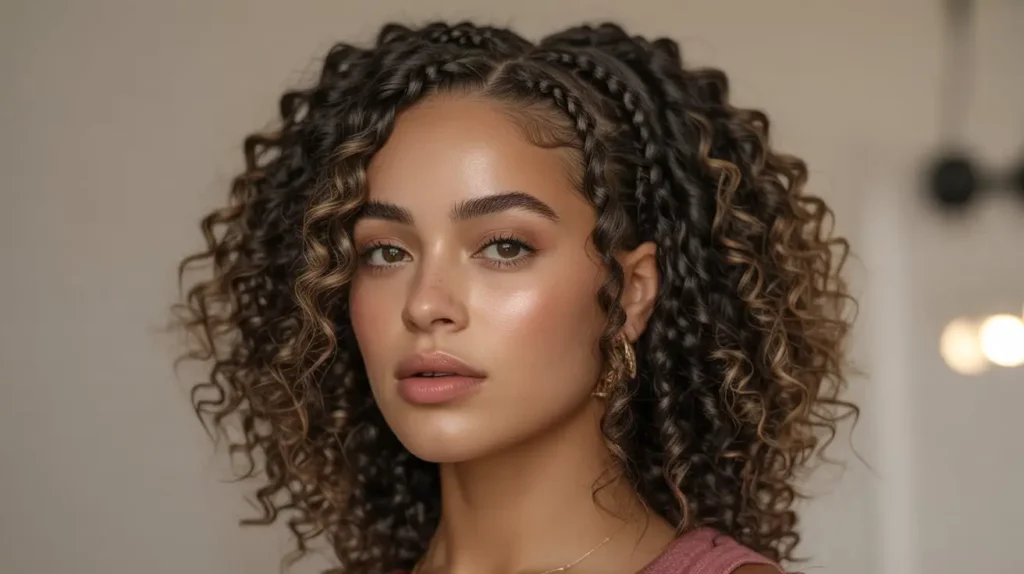
The puff is the curly girl’s best friend. It’s the “I have five minutes to leave the house” savior. However, standard hair ties are the devil in this scenario. They require you to squeeze your massive volume into a tiny ring, which creates immense tension around the perimeter of your hairline.
The Shoelace Method
If you haven’t tried the shoelace method (or a specialized adjustable bungee band), you are missing out. This changes everything about how you wear your hair up.
How to Execute
- Take a long, soft shoelace, a ribbon, or a strip of pantyhose.
- Wrap it once around the base of your head (while your hair is pushed up).
- Cross the ends and slowly pull them tight—but only tight enough to hold the shape, not to pull the skin.
- Slide the band up the hair shaft slightly to create volume.
- Tie a loose bow or tuck the ends in.
Why It Saves Your Edges
You control the tightness. A regular hair tie has a fixed limit; a shoelace adjusts to your hair’s density. Zero friction occurs because you aren’t dragging rubber against your hair shaft multiple times. This pushes the hair up for volume but puts almost zero tension on the hairline. Your curls sit high and mighty, and your temples remain happy.
4. Low-Tension Half-Up Half-Down Styles for Curly Hair
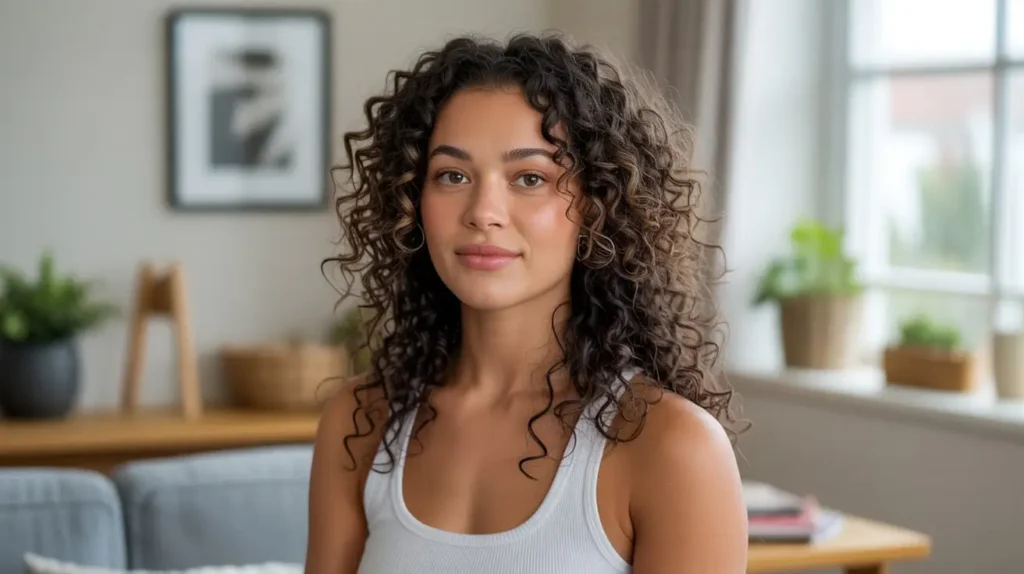
This style is a classic, but it is often a trap. We tend to snatch that top section back so aggressively that we look surprised all day. The goal is to clear the face, not perform a facelift.
The Claw Clip Anchor
Forget the elastic band for the top section. Use a medium-sized claw clip or a decorative barrette.
The Process
- Gather the top section of your hair loosely.
- Leave some tendrils out around the face. This isn’t just for looks; it ensures you aren’t pulling the fine baby hairs at the hairline.
- Twist the gathered hair once gently at the back.
- Anchor it with the claw clip.
The Mechanics
The teeth of the clip hold the hair in place by friction against the other hair, rather than by squeezing the hair shaft like a vice. It adds a sophisticated, effortless vibe that screams “I woke up like this.” Plus, claw clips are super trendy right now. IMO, they are the best accessory for low-tension styling because they require zero pulling to stay put.
5. Low-Tension Curly Hairstyles for Work or School
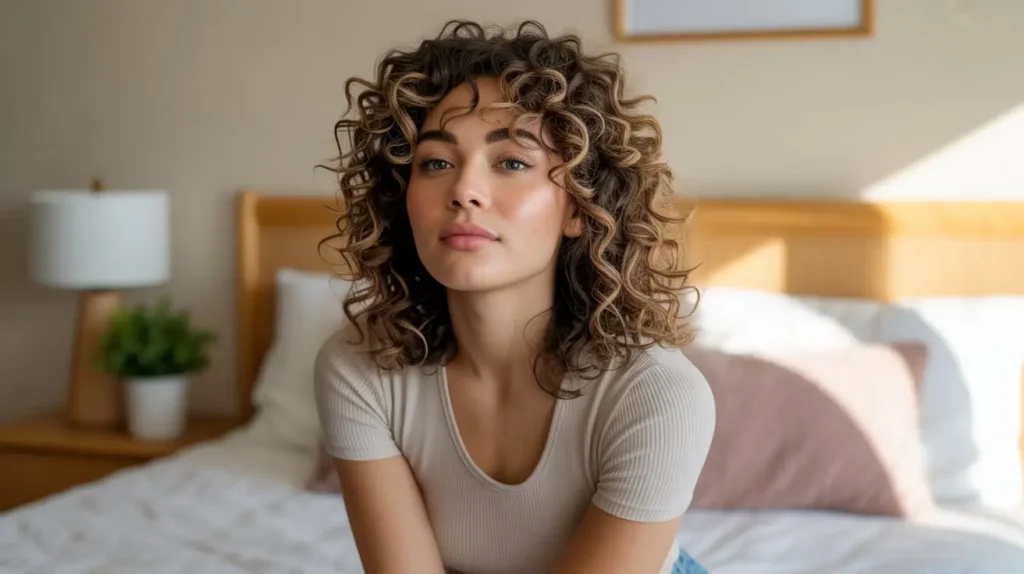
You need to look professional, but you also need to focus on your work, not your throbbing temples. Complex styles often require too much manipulation. Simple is better when you need to focus.
The Roll and Tuck
This is my go-to for important meetings. It looks incredibly intricate, like a Gibson Tuck, but it takes three minutes and zero pulling.
How to Achieve It
- Place a soft, stretchy headband over your head like a crown (hippie style). Ensure it is not tight on your forehead. If it leaves a mark, it’s too tight.
- Take sections of your hair, starting from the front, and loop them over and into the headband.
- Continue this all the way around until all hair is tucked into the band.
- Secure any loose areas with a U-pin.
Why It Works
The headband carries the weight of the hair, distributing it evenly around your head rather than focusing tension on one spot like a ponytail holder does. It looks polished and intentional, yet it feels like wearing a loose beanie. You can wear this for 12 hours without a single pang of pain.
6. Overnight Low-Tension Curl Styles
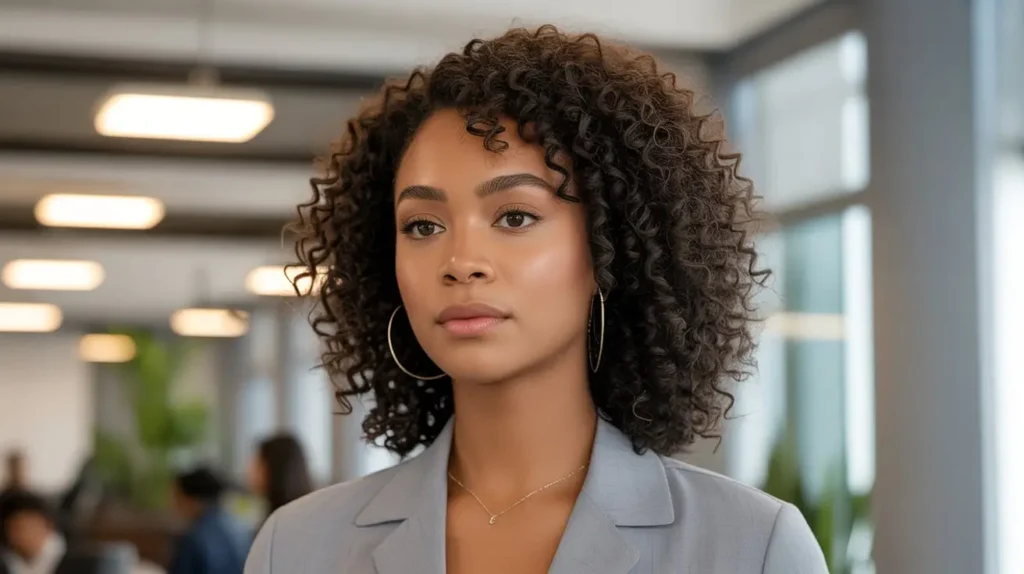
How you sleep determines how you look—and feel—the next day. If you tie your hair up tight to sleep, you are doing damage for 8 hours straight. We need styles that preserve the curl pattern without stress.
The Multi-Pineapple
If your hair is shorter or layered, one big pineapple on top pulls the bottom hairs too tight at the nape. That constant nightly pulling causes breakage at the back of your head.
The Solution
- Divide your hair into 2 or 3 sections (top, middle, bottom).
- Make smaller pineapples using satin scrunchies only.
- Wrap the scrunchie once. Do not double wrap. If it feels loose, that’s perfect.
- The satin bonnet will catch the hair if it slips.
The Morning After
This method keeps the curls stretched but puts zero tension on the roots. You wake up, shake it out, and go. Why complicate it? You retain length because you aren’t snapping strands in your sleep.
7. Low-Tension Braids for Natural Hair Growth
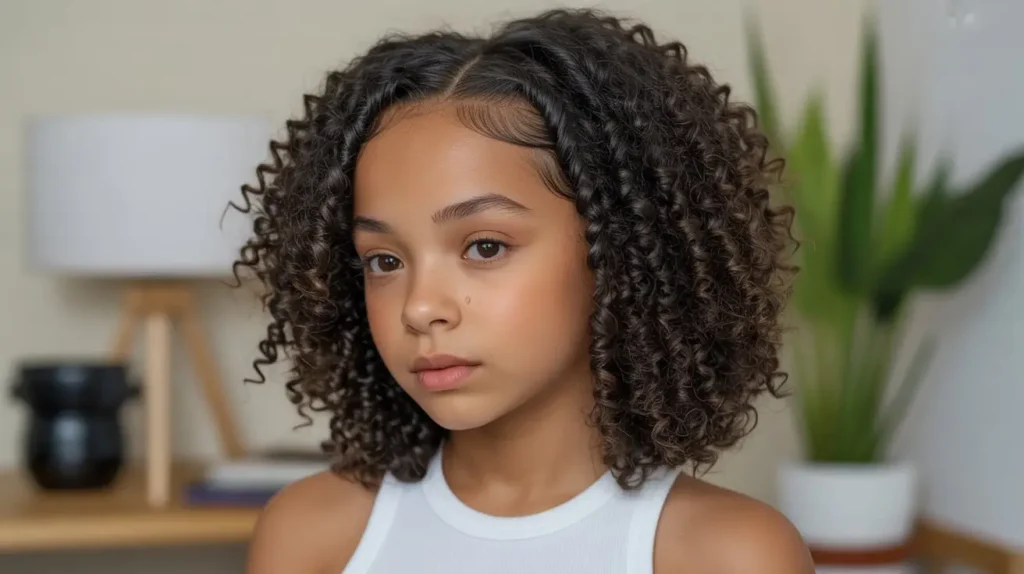
We often use braids for growth, but “protective styles” often cause damage because braiders grip too tight. If you see white bumps at the root, take them out. Seriously. Those bumps are inflammation, and inflammation leads to hair loss.
Knotless Braids with Large Parts
Knotless braids are superior to traditional box braids because they start with your natural hair and gradually add the extension. This reduces the heavy anchor weight at the scalp.
Key Rules for Low Tension
- Bigger is better: Request medium to large parts. Tiny parts mean less hair holding the weight of the braid, which equals breakage.
- Communicate: Tell your stylist, “I have a tender scalp. Please braid loosely.” If they don’t listen, find a new stylist.
- Limit length: Super long braids are heavy. Gravity pulls them down, creating tension. Keep them mid-length (bra strap length).
Maintenance
This style allows you to oil your scalp easily and gives your hair a break from daily manipulation. Just remember: the style protects the hair, but only if the installation doesn’t destroy the follicle.
8. Chic Low-Tension Low-Bun Hairstyles
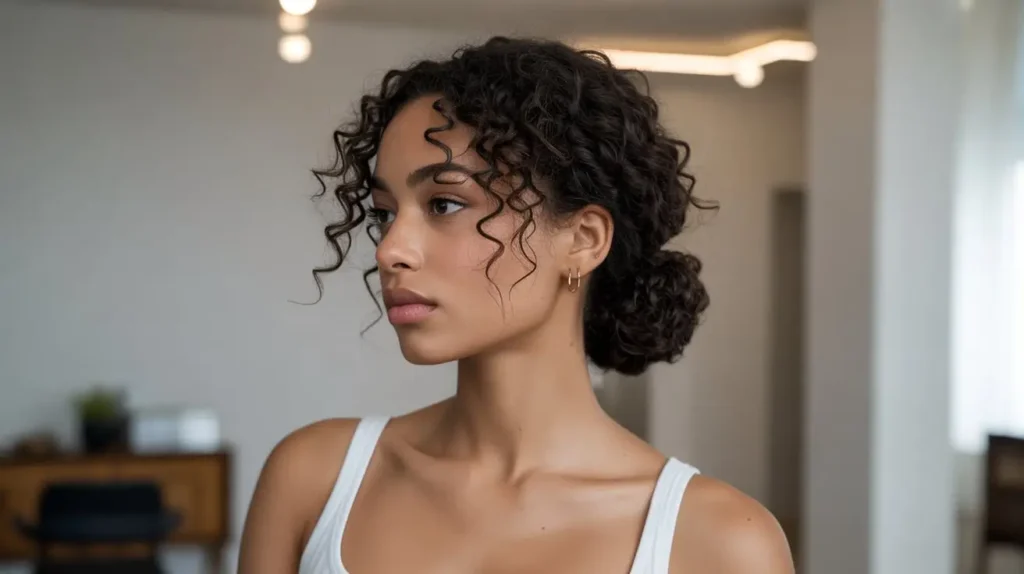
The low bun is elegant, but the “military sleek” look destroys edges. We want the “off-duty model” bun. The one that looks secure but soft.
The Loose Chignon
This relies on pins, not ties. Ties constrict; pins anchor.
How to Do It
- Gather your hair at the nape of your neck. Do not brush it smooth; let the natural texture provide grip.
- Twist the hair loosely into a circle or a figure-eight.
- Use large U-shaped hair pins (or spin pins) to anchor the bun against the scalp.
Why U-Pins?
U-pins weave through the hair and hold it by interlocking with other strands, rather than by compressing the hair. You can shake your head, and it won’t move, yet you feel zero pulling. It’s actually magic. Spin pins are even better—one spin pin does the work of 10 bobby pins.
9. Low-Tension Side-Swept Curly Looks
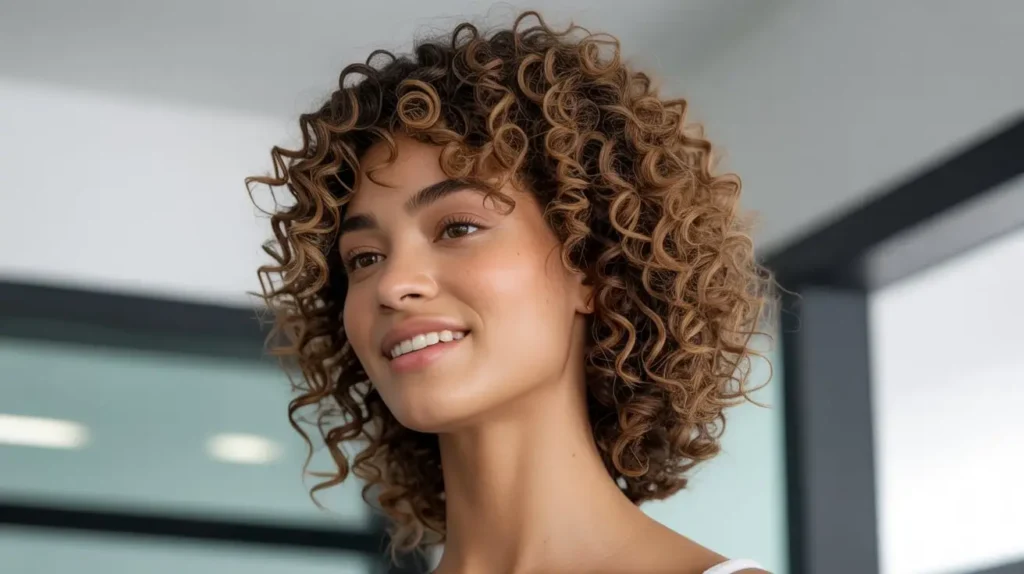
Sometimes you want the hair out of your face but don’t want to tie it up at all. The side-sweep adds immediate glamour and drama, perfect for a date night or a party.
The Bobby Pin Ladder
Instead of forcing your hair to one side with a tight tie at the nape, use pins to guide it.
The Technique
- Sweep all your hair to your preferred shoulder.
- At the back of your head, use bobby pins to secure the hair in that direction.
- Start from the nape and work your way up behind the ear.
- Cross the bobby pins in “X” shapes for extra hold and a bit of a decorative flair.
Health Benefits
This allows the front to remain loose and voluminous while keeping the back neat. Since there is no elastic band constriction, your blood circulation flows freely to your follicles. Circulation equals growth. It looks deliberate and red-carpet ready with minimal effort.
10. Low-Tension Wash-and-Go Hairstyles
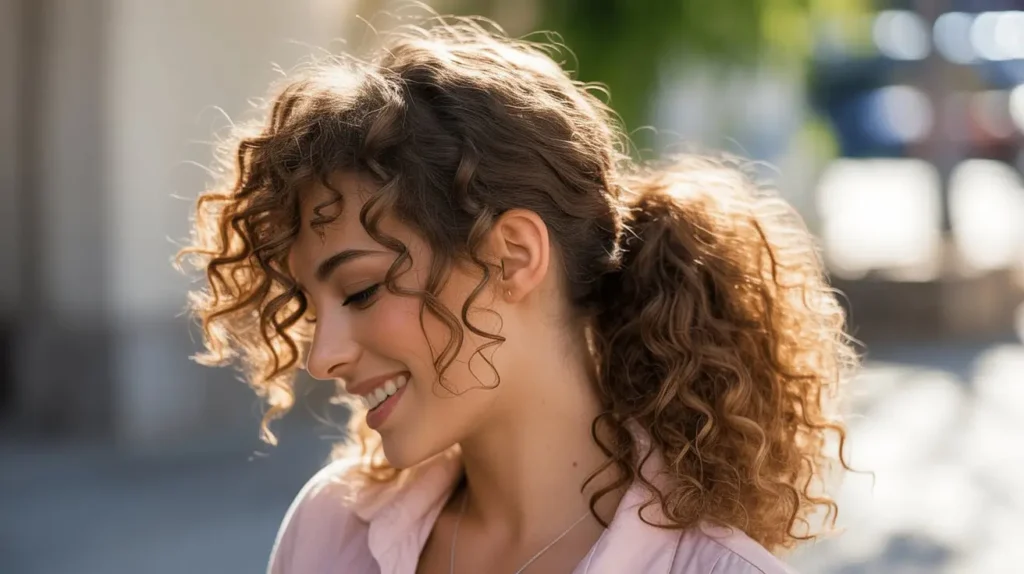
A wash-and-go sounds like it has zero tension, right? Usually, yes. But if your hair is heavy and long, the weight of the water and product can drag on the roots as it dries, causing a flat crown and slight tenderness.
The Root Clip Method
To combat the drag and keep the style airy, you need to support the hair while it sets.
Steps
- Apply your gel and define your curls as usual.
- Take double-prong metal clips and lift the roots at the crown.
- Slide the clip in horizontally at the root to prop the hair up while it dries.
- Do this in 4-6 spots at the top of your head.
The Result
This removes the weight of the wet hair from the follicle. Once dry, remove the clips. You get massive volume and your roots aren’t being pulled down by gravity during the drying process. Ever wondered why your hair feels heavy when wet? It’s the water weight dragging on your scalp. This fixes that.
11. Low-Tension Curly Ponytail Ideas
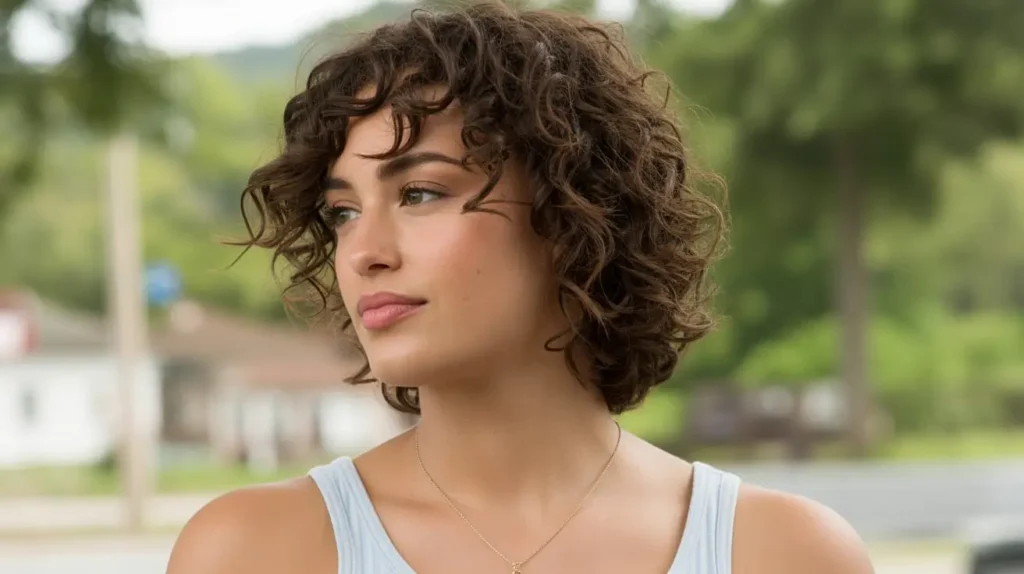
We discussed the puff, but what about an actual ponytail? Sometimes you want the hair hanging down the back, not sitting on top. But the “ponytail dent” and the headache are real issues.
The Bungee Cord Ponytail
I mentioned bungees earlier, but for a back ponytail, they are essential.
Why It Saves You
- Standard ties require you to pull the hair through the elastic, which causes friction breakage.
- Bungee hooks wrap around the gathered hair.
Execution
- Gather hair at the desired height with your hands.
- Hook one end of the bungee into the hair at the base.
- Wrap around until secure (but not tight!).
- Hook the other end into the hair.
This allows you to wear a sleek ponytail without that “tight facelift” sensation. Use a bit of edge control if you want the sleek look, but rely on the product for sleekness, not the tightness of the band. Your hair stays in place, but your scalp stays relaxed.
12. Low-Tension Styles for Short Curly Hair
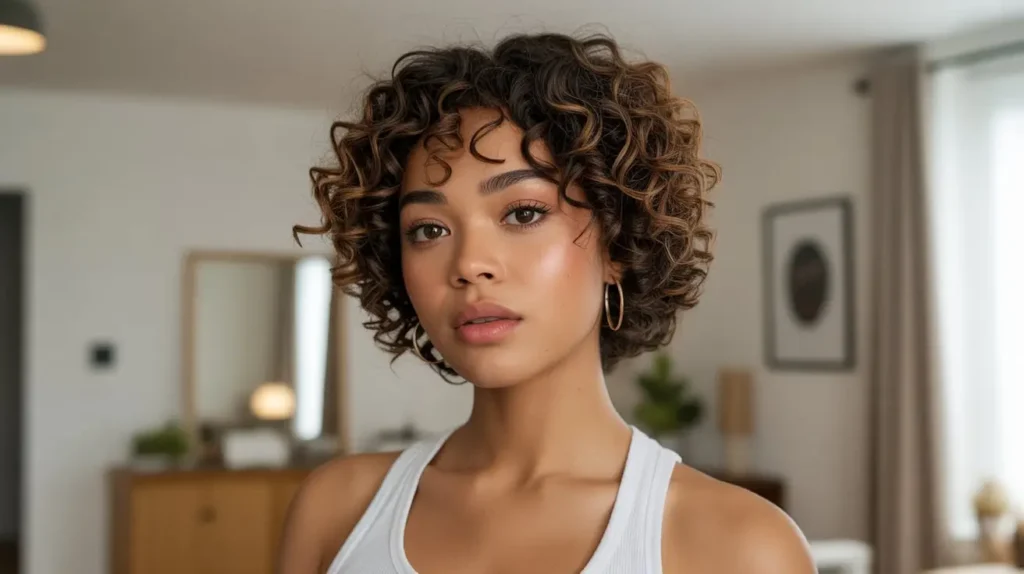
Short hair often suffers from “hair accessory overload” to make it look styled. Headbands that dig behind your ears are the worst offenders here. They can cause headaches within minutes.
The Finger Coil Accent
Instead of forcing accessories, use texture as the accessory.
The Look
- Leave your afro or short cut loose and free.
- Take small sections of hair right at the forehead/bangs area.
- Apply a strong-hold gel and finger coil them tightly so they hang like distinct ringlets.
- Let the rest of the hair be fluffy.
Why It Works
This frames the face beautifully. You create a “styled” look by defining the perimeter, while the rest of your hair remains in a loose, low-manipulation state. It draws attention to your eyes without a single pin or clip. It turns your natural texture into the main event.
13. Low-Tension Protective Styles for Long Curls
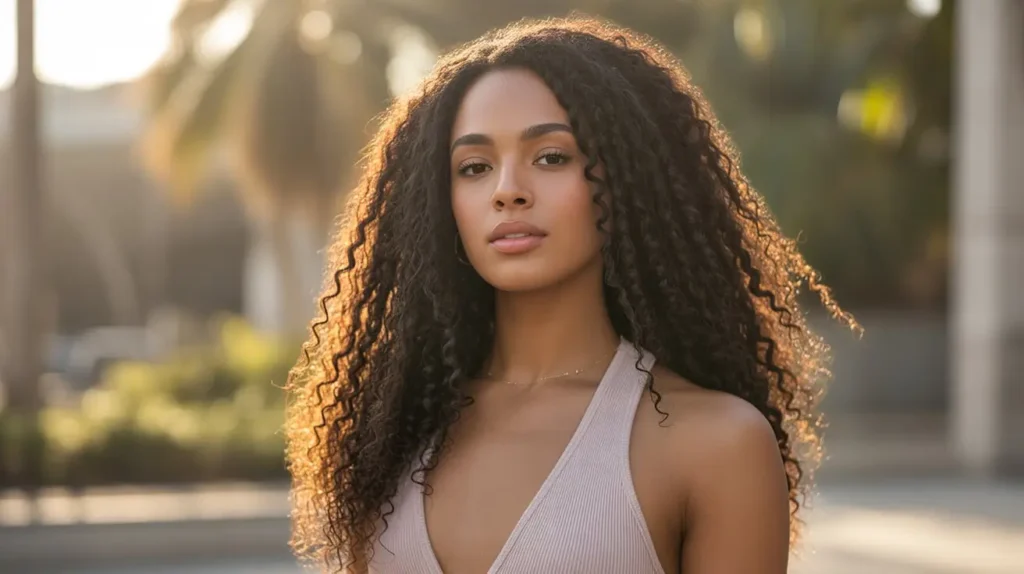
Long hair is heavy. Putting it up often causes neck strain and scalp pain because the weight hangs off a single point. We need to distribute the weight across the head.
The Two-Strand Twist Updo
This is a variation of the braided updo but lighter.
How to do it
- Part hair down the middle.
- Create two large, loose two-strand twists (one on each side).
- Cross them at the nape of the neck and bring the ends up.
- Pin the ends behind the opposite ear using large bobby pins.
The Science of Comfort
Twists are lighter than braids because they use two strands instead of three, and they naturally sit looser. By pinning them flat to the head, you distribute the weight across the entire scalp rather than hanging it off one anchor point like a ponytail. This significantly reduces neck strain.
14. Low-Tension Holiday and Party Hairstyles

Holidays usually mean heat styling and tight updos. Let’s rebel against that. You can look festive without the damage.
The Embellished Afro
Let your hair be free and big. The “wow” factor comes from jewelry.
The Strategy
- Fluff your hair out to maximum volume. Use a pick at the roots if you want more height.
- Purchase hair rings, pearl pins, or decorative snap clips.
- Scatter them throughout your hair.
Why It Wows
Think of your hair as a Christmas tree (in the best way possible). You are decorating the structure that is already there. The clips attach to small clumps of hair and weigh almost nothing. You look stunning, festive, and your hair is completely loose and happy. Plus, it’s a great conversation starter. “I love your hair pearls!” counts as the best compliment, right?
15. Easy DIY Low-Tension Curly Hairdos
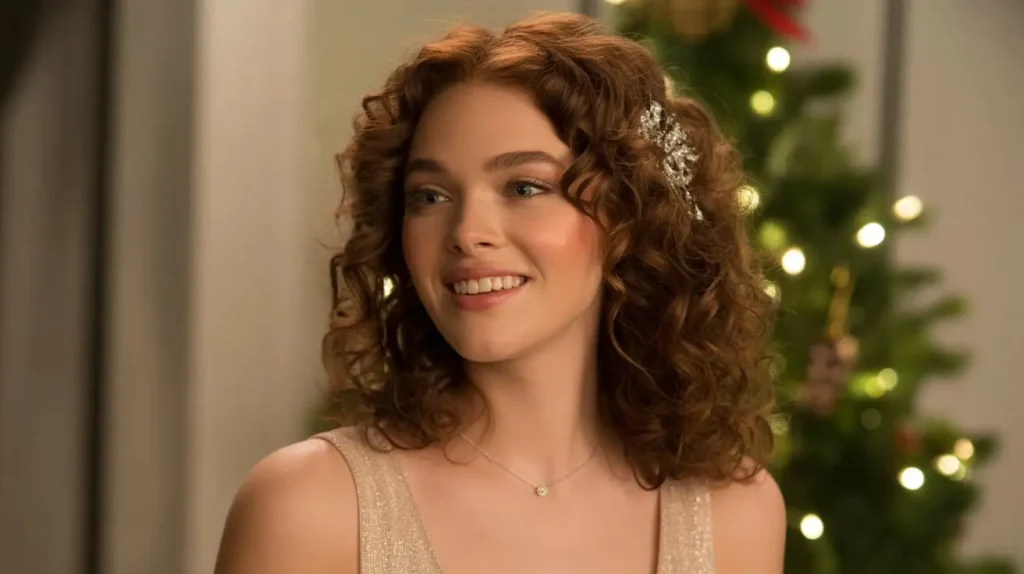
Sometimes you just want to get creative with what you have at home. Maybe it’s wash day, but you don’t have time to wash.
The Turban/Scarf Wrap
This is the ultimate bad hair day fix that also happens to be a zero-tension style.
Why I Love It
- It protects your hair from the elements (sun, wind).
- It covers the hairline, meaning no edge control is needed.
- It looks incredibly chic and intentional.
How to Wrap
- Put your hair in a super loose high bun (just to contain it).
- Take a large silk or satin scarf. Cotton dries out hair, so avoid it if possible.
- Wrap it around your head, tying a knot at the front for height or at the back for a sleek look.
Crucial Tip: Do not tie the scarf tight! It should sit snugly, but if you feel a pulse in your temples, loosen it. The goal is to cover the hair, not compress the skull.
Final Thoughts
You do not have to suffer for beauty. The days of popping aspirin because your ponytail is too tight are over. We have to treat our scalp with the same respect we treat our skin. By switching to these low-tension styles, you are investing in the long-term health of your follicles. Your edges will thank you, your length will retain, and honestly, you’ll just be in a better mood because your head doesn’t hurt.
Try one of these styles tomorrow. Experiment with the claw clips and the shoelaces. Find what makes you feel confident and comfortable. Remember, healthy hair is the best hairstyle you can wear. Stay curly, stay loose, and keep those edges thriving! :/ (Had to use that face for anyone still thinking tight braids are a good idea).
Which one are you trying first? Let your hair breathe.
![[15 Stunning Low Tension Curly Hairstyles That Wow Instantly]](https://hairfizz.com/wp-content/uploads/2026/01/k4oDT6rASr2WizgFkpZmRA-150x150.webp)
![[15 Stunning Low Tension Curly Hairstyles That Wow Instantly]](https://hairfizz.com/wp-content/uploads/2026/01/Ol6g9P6sT328xZbHbfZYOg-150x150.webp)
